This article may contain affiliate links. If you buy through them, guitar.care may earn a small commission at no extra cost to you.
Can You Fly With a Guitar as a Carry-On?
Usually, yes. US rules require airlines to let you carry a guitar into the cabin if it fits in an overhead bin or under a seat and there is space when you board. There is no priority over other bags, so board early. If it won't fit, plan for a gate check or a hard case built for the hold.
The short answer
- Carry-on rule
- Allowed if it fits and space exists at boarding
- Priority over other bags
- None, so board early
- Extra fee
- None beyond the normal carry-on fee
- Large instrument
- Needs its own purchased seat
- Checked case
- Hard shell, guitar packed tight
- Arrival
- Case closed until the guitar warms up
Below: what the rule actually says, how to pack for each option, and what to check when the guitar is out of the case at the other end.
What the Rule Says About Guitars in the Cabin
The Department of Transportation's 2015 final rule, which implements a 2012 law, says each covered carrier shall permit a passenger to carry a violin, guitar, or other small musical instrument into the cabin with no fee beyond the standard carry-on fee, if it can be stowed safely and there is space when the passenger boards.
Two phrases carry the weight there: safely stowed and space at the time you board. Nothing guarantees a spot.
Why boarding early matters
The same rule does not require that instruments get priority over other carry-on bags. The Department instead encourages musicians to take steps to board before as many other passengers as possible so that space will be available. On a full holiday flight, the last boarding group finds the bins full. If your airline sells priority boarding, this is one place it pays for itself.
What it doesn't cover
The rule sets a floor, and the practical details (bin size, crew judgment, regional jets with tiny bins) vary by airline and aircraft. Check your airline's own instrument policy before you book, and get the answer in writing if you can. Airline policies change, so don't rely on this article for the fine print.
Choosing the Case for the Trip
A flight puts a guitar through more shock and more handling than any gig. The case decides how much of that reaches the instrument.
- Hardshell case: The default for flying. A rigid shell with a snug interior protects the headstock and body if the case is gate-checked or squeezed into a bin. Our gig bag versus hardshell comparison explains why a gig bag only protects against dings and scratches, not crushing.
- Gig bag: Fine for a short hop in the cabin when you know it will go in a bin, and a poor choice if there's any chance it is gate-checked.
- Flight case: A heavier, more rigid shell worth considering if you fly with the guitar every year.
Before you leave home, shut the case and give it a firm shake. If the guitar shifts or you hear the headstock tapping, fill the gaps. Rolled-up T-shirts or soft cloth around the headstock and under the neck work; keep the headstock supported so a bump doesn't put load on the neck joint. Don't pack anything hard and heavy on top of the guitar.
Packing the Guitar Itself
Strings and tension
Opinion varies on loosening strings for flight. A reasonable middle path: drop the tension slightly so the neck isn't carrying full load through a long, bumpy trip, but don't detune to slack, since fully slack strings let the bridge and nut seating shift and the guitar can buzz when you retune. For a check-in, a small drop is enough. For the cabin, leave it near pitch. It will need retuning either way, so our tuning stability guide is useful when the strings settle.
Padding and accessories
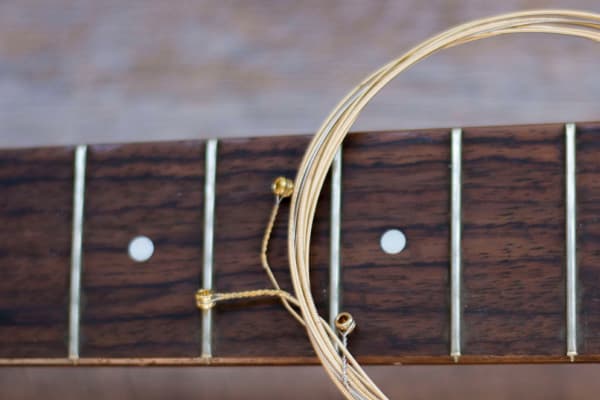
- Put a soft cloth between the strings and the fretboard on an acoustic so loose hardware can't mar the finish.
- Keep a spare set of strings, a string winder, and a small tool kit in your carry-on, not in the guitar case's pocket, where heavy items can press on the guitar. Our emergency kit list covers the full short list.
- Remove any capo, tuner, or loose item from the case.
- Take photos of the guitar before you leave. If damage happens, our insurance documentation guide explains what to record and keep.
If the Gate Agent Wants to Check It
Gate-checking is the common fallback. Ask politely whether they can tag the case for gate-check and return it at the jet bridge, not the carousel. A guitar that comes back to you at the aircraft door has skipped the conveyor system entirely. Make sure the case is latched, add an ID tag, and take your photos before handing it over.
If the airline refuses to take it as carry-on and a large instrument rule applies, the other legal option is buying a seat for it. The final rule lets a large instrument ride in the cabin if the passenger has purchased an additional seat for it. That is expensive, and most guitars are small enough that it won't come up.
When You Land: Let It Acclimate
The cold-and-dry trap catches holiday travelers as often as the baggage handlers do. A guitar that spent hours in a cold hold or a cold car arrives colder than the house it is walking into.
- Keep the case closed for at least 30-60 minutes after you arrive. After a long cold stretch, give it several hours. Our cold-weather transport guide explains why a fast warm-up is what cracks finish.
- Open it and look at the headstock, the neck joint, the bridge, and the top edges for new cracks or lifting.
- Retune and recheck the setup before judging anything. Strings go flat or sharp as temperature shifts.
- Wipe off moisture on strings and hardware with a microfiber cloth.
If something looks wrong, our crack triage guide sorts what's urgent from what's cosmetic.
Where It Sleeps at Your Destination
Holiday houses are often dry from the heating, and a guitar that sits out in a spare room can dry out in a few days. Keep it in its case between sessions, away from radiators and vents, with a case humidifier if you're staying more than a couple of days. Aim for the usual 45-55% RH; our humidity guide explains why, and our storage guide covers where in the house is best.
Recommended gear
Digital Hygrometer
Monitors humidity where your guitar lives. The single cheapest insurance against cracks and warping.
The Short Plan Before You Go
- Check your airline's instrument policy before you book, and board early.
- Use a hardshell case with no empty space around the headstock and neck.
- Drop tension slightly, retune on arrival, and carry spares in your own bag.
- Photograph the guitar, and ask for a gate-check if the bin is full.
- Leave the case closed when you land, then check the neck, joints, and finish.
Do those and a flight is just a long, bumpy case ride. For the deeper setup work once you're home, our care guides walk through it.